
Living with Ulcerative Colitis: Food, Flares & Finding Balance
More than half a million people in the UK live with Crohn’s disease or Colitiis, inflammatory bowel conditions that can shape everything from daily routines to relationships with food.
We spoke to our Partnerships Manager, Sally, about her 20-year experience of living with ulcerative colitis, including the road to diagnosis, the confusion around diet, and how she’s learned to manage flares while still enjoying food.
When were you diagnosed with IBD, and what were your symptoms?
I was diagnosed when I was 24 after suffering from symptoms for 2 years following a stomach bug at University. Prior to that I never had any stomach issues, but I came down with a stomach bug that just didn’t seem to get better, I then started loosing blood. Despite this I kept being told I had IBS by GPs until I finally got a referral to a gastroenterologist who confirmed I had Ulcerative Colitis.
Were you given any support around your diet after diagnosis?
My gastroenterologist at the time told me that diet had no effect on colitis but despite that I tried every type of exclusion diet and homeopathic remedy after diagnosis. There were some weird and wonderful ones! I really didn’t like the idea of taking medicine for the rest of my life. But nothing really worked and I was ill for the next 5 years until I first went into remission.
How has your relationship with food changed since being diagnosed?
Research shows disordered eating patters are common in people IBD and whilst I haven’t experienced this, I do think it’s important to protect your enjoyment of food. When in a flare you can become quite scared of eating as it seems that everything makes you ill. I don’t deny myself anything, but I do believe that optimising your general health through diet has a really beneficial effect on colitis and I want to eat foods that I know will protect and nourish my body.
I used to be concerned with seeming fussy for avoiding gluten or specific ingredients and not wanting to eat at friend’s houses because of my dietary needs, but I have got much better at explaining myself. Really no one minds if you give advance warning!
There’s a lot of advice online about “IBD diets” – how have you navigated finding what works for you?
The most helpful thing I did about 4 years ago was to have a consultation with a specialist IBD dietitian. She set out all the scientific evidence around diet and IBD and also told me which supplements were worth taking and the right amounts.
There is so much advice on social media and when you’re unwell you’re desperate to try or spend money on anything that promises miracle cures. I'm always suspicious of anyone pushing strict exclusion diets or supplements without any medical or dietetic qualifications.
During a flare-up, what does your approach to eating look like?
I have lived with colitis for over 20 years now and I have become pretty good at intuitively eating and understanding my body. If I get warning signs of a flare, I will reduce fibre to give my digestion a break. However I'm not keen on the low fibre ‘white’ diets that are sometimes recommended in a flare. I usually eat a really high fibre varied diet, so I don’t feel great suddenly switching to white carbs! I know this works for some people but hasn’t for me.
I tend to eat a lot of chicken and fish and keep protein high as I exercise a lot, I won’t cut out fruit or veg but will peel skins and cook veg really well. Sweet potato and rice are my go to carbs and I tolerate kefir well so I always eat a lot of this. I will cut out pulses and nuts which can irritate me in a flare and switch to smooth nut butters and houmous so I still get the health benefits.
And on the flip side, when you’re feeling well, what does your diet look like?
I eat as high a fibre diet as I can manage as this is shown to protect against bowel cancer which people with IBD have a slightly higher risk of. So lots of different vegetables and wholegrains. I also take psyllium husk supplements that I have found really helpful and a good probiotic every day.
I also reduced emulsifiers in my diet after a consultation with a dietitian as there is some research around possible links with IBD. I don’t eat much dairy or red meat and am careful with alcohol. I also eat a gluten free diet as I am gluten intolerant. Other than that, I eat most things and I definitely eat chocolate every day! I really think balance is important. When you’re in a flare it’s easy to get anxious about food as it feels like everything makes you ill so when i’m well I want to enjoy eating out and all my favourite treats.
What do you think are some of the biggest misconceptions about diet and IBD?
Maybe that diet alone can keep IBD in remission. You’ll come across influencers swearing that they cured their colitis with juice cleanses etc. Everyone is different when it comes to IBD and I think the sweet spot is a balance between the right medication, a healthy diet and stress management.
And the misconceptions in general around IBD?
How long flares last. I have had flares lasting months to years at a time. It can be like a snowball effect once a flare starts, with a lot of trial and error of different medicines to try to get it under control.
Also how well someone with IBD can seem whilst actually being very unwell. When you live with an invisible illness and flares that can last a long time, you become adept at trying to carry on and hiding your symptoms.
Stress can be a big factor and most of my flares have been when I’ve been pushing myself too hard and ignoring physical warning signs. In the last few years I have got much better at knowing when to rest and not push through.
Do you have any advice for someone who has just been diagnosed?
There is SO much more support available now than when I was first diagnosed. I didn’t know a single other person with IBD for at least 10 years! The IBD community on social media in general is really supportive and lots of celebrities and athletes now share about their experiences.
The Crohns and Colitis website is also a great place to start. I would highly recommend seeing an IBD specialist dietitian and getting some mental health support. It can be isolating and really anxiety inducing living with a disease that unpredictably flares up. I had some sessions with Dr Sula Windgassen, a health psychologist who specialises in long term conditions. This helped me so much with practical ways to manage as well as psychological support.
I would also bear in mind that despite the flares, you can also live entirely symptom free for years at a time. IBD doesn’t have to limit you at all or define you. You might just need to learn to advocate for yourself and find the right support. Having IBD has forced me to really understand myself and my body and learn how to look after myself as best I can.
Finally, get yourself a pill organiser for your medicine and make sure you take it every day even if you’re well!
What’s your go-to Field Doctor meal or product? (we know you’re a choc porridge fan)
I genuinely love all the Field Doctor meals, I’m on my 58th order! Because I can’t have gluten, I really appreciate the tasty pasta dishes and the mixes of GF grains in many of the meals.
When I feel like I can’t tolerate too many pulses, I’ll avoid some of the bean heavy dishes and go for dishes like the fish pie, pasta dishes and paella. And yes, I’m obsessed with the chocolate cherry porridge! I make it every night as overnight oats with maca, protein powder and kefir.
related content
April is IBS Awareness Month, and we want people with IBS to fall in love with food again. We understand how frustrating mealtimes can be for those with IBS, and in this article offer 10 top tips to help manage IBS and enjoy food again.
And what makes cholesterol "good" or "bad"? Our guide covers FAQs such as what cholesterol is, how to lower cholesterol through diet, and the difference between cholesterol types.
more content:
This month, we’re looking at how you can add more fibre to your diet, because 91% of UK adults aren’t eating enough of it. We asked our Dietitian Laura to start by explaining why fibre matters, and what you can gain from eating more.
If you're struggling with strict calorie counting, shifting your focus instead to portion control and resizing your meals may be a healthier and more sustainable approach. Learn the science behind portion control, nd our suggestions of how to structure and size your portions for healthy, long-term weight loss.
Brazil Nuts are one of Field Doctor's hero ingredients, being packed full of essential nutrients and providing many key health benefits. Check out our guide to Brazil Nuts, alongside how to incorporate more of this nut into your diet.
There a a variety of small changes you can try to reduce food waste, from simple meal planning to composting food scraps. Our easy guide outlines 10 top tips you can try at home.
It is often a concern that eating a vegetarian diet means you have to miss out on certain nutrients. This doesn't have to be the case if you are aware of possible nutrient deficiencies and ensure you incorporate sources of these in your meals.
The hardest part about a healthy diet is keeping it going, which is why we've rounded up some practical tips and small nudges to help keep you on track with your diet.
Ensuring you get the right nutrients on any kind of diet is essential - let alone combining more than one! Our guide aims to outline what foods you can eat while following a vegan and low FODMAP diet, including vegan and low FODMAP protein sources, calcium sources and iron sources.
browse our ranges.
choose from one of our ranges or personalise your own menu from 60+ meals.
- low FODMAP

- eat well, live well programme
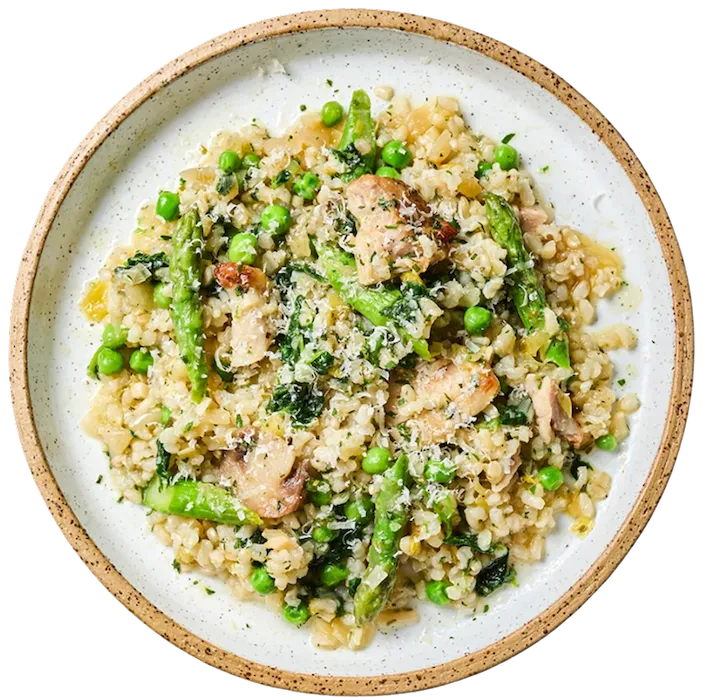
- gluten free

- high protein

- weight management

- GLP-1
- ibs

- lowest calorie

- lower carbs

- mediterranean
- smaller range

- PMOS (formerly PCOS)

- menopause

- heart healthy

- full menu

- gift cards
not sure where to start?
take 30 seconds to find your personalised meal plan.