
Living with young onset Parkinson’s: Ian’s story
Parkinson’s affects millions of people worldwide, but no two experiences are the same. This World Parkinson’s Day, we’re sharing Ian’s story in his own words, alongside some of the key facts about the condition.
Today is World Parkinson's Day.
Parkinson's is the fastest growing brain disease on the planet. It's a progressive and debilitating condition that affects over 11 million people worldwide.
Understanding Parkinson’s
Parkinson's is caused by a loss of nerve cells in part of the brain. These brain cells make dopamine. This is a neurotransmitter that plays an important role in movement. Everything from smiling to talking, writing and walking. The loss of dopamine leads to lots of the symptoms of Parkinson's disease.
There are over 40 symptoms of Parkinson’s, but the 3 main symptoms are:
- a tremor (shaking)
- slowness of movement
- muscle stiffness
As more cells are lost, problems with movement increase. But other non-movement symptoms are common too. These include:
- memory and sleep problems
- pain
- mental health problems like anxiety and depression.
What causes Parkinson's?
What causes the loss of these nerve cells isn't clear. Researchers think it's a combination of age, genetic, and environmental factors. Most people with Parkinson's experience symptoms after 50. 10-20% of people affected experience symptoms before they turn 50.
There's no cure yet. People living with Parkinson's have to learn to navigate its impact on their health and wellbeing. Different drugs can help manage symptoms and physiotherapy and other supportive therapies help with day to day life.
Behind these facts are real people navigating these challenges every day.
So when Ian, one of our brilliant customers, reached out to raise awareness, we wanted to share his story with Parkinson's, in his own words:
Ian's story:
"My journey started a couple of years ago when I became seriously unwell and it had a lasting impact on my health and nutrition. During that time, I lost around two stone in weight, and I found it quite frightening not really recognising my own body or strength in the way I was used to. Following this, I was diagnosed with atypical Parkinsonism, a form of Parkinson’s disease that can present differently from the more commonly known type.
Since then, everyday life has changed in ways I still adjust to. I live with symptoms such as tremors, bradykinesia (slowness of movement), and dexterity difficulties, which can make even simple, everyday things like preparing a meal or opening packaging feel unexpectedly difficult and sometimes overwhelming.
One thing I’ve learned is that Parkinson’s isn’t always visible in the way people expect. Around 30% of people don’t experience tremors, which can make the condition harder to recognise and sometimes misunderstood from the outside.
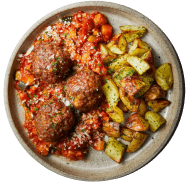
Because of the impact on movement and daily living, I had to completely rethink how I managed food and nutrition. Cooking became much more challenging, both physically and mentally. After a lot of trial and research, I came across Field Doctor and their Mediterranean meals, which have genuinely helped me. Not just practically with mealtimes, but also in helping me regain weight and feel a bit more supported day to day. My favourite meal is the beef ragu."
Where to go for more information
We’re really grateful to Ian for sharing his story and helping to raise awareness of Parkinson’s. It’s a privilege that our meals are able to support him in a small way. If you’d like to learn more about Parkinson’s, including symptoms, diagnosis and living well with the condition, here are some helpful websites:
Parkinson’s UK – A brilliant UK charity that’s here to support every Parkinson’s journey.
related content
April is IBS Awareness Month, and we want people with IBS to fall in love with food again. We understand how frustrating mealtimes can be for those with IBS, and in this article offer 10 top tips to help manage IBS and enjoy food again.
And what makes cholesterol "good" or "bad"? Our guide covers FAQs such as what cholesterol is, how to lower cholesterol through diet, and the difference between cholesterol types.
more content:
This month, we’re looking at how you can add more fibre to your diet, because 91% of UK adults aren’t eating enough of it. We asked our Dietitian Laura to start by explaining why fibre matters, and what you can gain from eating more.
If you're struggling with strict calorie counting, shifting your focus instead to portion control and resizing your meals may be a healthier and more sustainable approach. Learn the science behind portion control, nd our suggestions of how to structure and size your portions for healthy, long-term weight loss.
Brazil Nuts are one of Field Doctor's hero ingredients, being packed full of essential nutrients and providing many key health benefits. Check out our guide to Brazil Nuts, alongside how to incorporate more of this nut into your diet.
There a a variety of small changes you can try to reduce food waste, from simple meal planning to composting food scraps. Our easy guide outlines 10 top tips you can try at home.
It is often a concern that eating a vegetarian diet means you have to miss out on certain nutrients. This doesn't have to be the case if you are aware of possible nutrient deficiencies and ensure you incorporate sources of these in your meals.
The hardest part about a healthy diet is keeping it going, which is why we've rounded up some practical tips and small nudges to help keep you on track with your diet.
Ensuring you get the right nutrients on any kind of diet is essential - let alone combining more than one! Our guide aims to outline what foods you can eat while following a vegan and low FODMAP diet, including vegan and low FODMAP protein sources, calcium sources and iron sources.
browse our ranges.
choose from one of our ranges or personalise your own menu from 60+ meals.
- low FODMAP

- eat well, live well programme
- gluten free

- high protein

- weight management

- GLP-1
- ibs

- lowest calorie

- lower carbs

- mediterranean
- smaller range

- PMOS (formerly PCOS)

- menopause

- heart healthy

- full menu

- gift cards
not sure where to start?
take 30 seconds to find your personalised meal plan.