
How field doctor creates your personalised meal plan
Field Doctor understands everyone has different health conditions, dietary requirements, and preferences, which can sometimes make it more difficult when buying ready meals or meal planning. Our quiz helps us create a meal plan that is personalised to you and your health needs, making healthy eating simple.
How field doctor creates your personalised meal plan
We use your quiz answers to match you with healthy meals that fit your needs, based on nutritional science and dietary rules.
That includes:
• Filtering meals that don’t match your dietary requirements (like gluten free or low FODMAP)
• Prioritising meals that support your health goal (like lose weight or build muscle)
• Matching nutrition needs (like higher fibre or plant diversity)
• Making it easy to choose from 130+ frozen meals tailored to over 15 different health conditions and goals, using our personalised quiz
This means:
- you get meals that make sense for your body
- you avoid meals that could make symptoms worse
- you don’t have to do the research yourself. It’s like having a smart shortcut through the confusing world of “healthy eating advice” online.
How Are Field Doctor Meals Made?
At Field Doctor, we have a strong process to ensure meals are suitable for different dietary requirements and preferences:
1. Who builds the Field Doctor meals?
This bit matters, because personalisation is only as good as the food behind it. At Field Doctor, every recipe starts with real people and real expertise.
2. Our dietitian, Laura, creates the nutrition brief
Laura designs the purpose of each recipe.
That means the meals aren’t random. They’re built with goals in mind, like gut support, fibre targets, or ingredient suitability for specific diets.
3. Our chef, Matt, brings it to life in the kitchen
Matt takes the nutrition brief and turns it into something that actually tastes amazing. Because if it doesn't taste delicious, nobody wins.
4. Our Somerset kitchen produces the meals
Once the recipe is perfected, it’s produced in our kitchen in Somerset so we can deliver consistent quality, week after week.
This is why our ready meals are both science-led and genuinely delicious.
It’s not one or the other.
5. Why we built the quiz in the first place
A normal meal brand makes you scroll a menu and guess what’s “healthy”. Field Doctor does it differently.
We built personalisation because:
• health conditions are individual
• dietary needs can be strict
• goals change over time
• and food should feel supportive, not stressful
So when you take the quiz, you’re not just picking meals.
You’re creating a plan that fits you.
Ready to build your plan?
If you want meals that match your needs, without endless Googling and label checking, the quiz is the fastest way to start.
Click “Get your plan” here and create your personalised support plan in minutes.
related content
And what makes cholesterol "good" or "bad"? Our guide covers FAQs such as what cholesterol is, how to lower cholesterol through diet, and the difference between cholesterol types.
April is IBS Awareness Month, and we want people with IBS to fall in love with food again. We understand how frustrating mealtimes can be for those with IBS, and in this article offer 10 top tips to help manage IBS and enjoy food again.
more content: General Health
This month, we’re looking at how you can add more fibre to your diet, because 91% of UK adults aren’t eating enough of it. We asked our Dietitian Laura to start by explaining why fibre matters, and what you can gain from eating more.
There a a variety of small changes you can try to reduce food waste, from simple meal planning to composting food scraps. Our easy guide outlines 10 top tips you can try at home.
We often hear that switching to a plant-based or vegan diet can have great health benefits, but what does the science say? Here, we deep dive into the scientifically-backed health benefits of eating a plant-based or vegan diet, alongside some practical tips for getting started.
Explore the guide to pro and prebiotics, including what they are, what the difference is between the two, who would benefit from taking probiotics and what the benefits are.
Intuitive eating has gained a lot of attention recently; however, this is often in the context of how intuitive eating can help with weight loss. We want to address this link, focus on the overall benefits of intuitive eating and share some tips on how to intuitively eat.
Many of us are not getting enough vitamin D, but why is this a problem, and how can we keep our vitamin D levels high enough? Our guide covers what foods are a good source of vitamin D, and the health benefits this prohormone provides for our bodies.
A balanced diet starts with a balanced plate, but how exactly can this nutritional balance be achieved? In this article, we cover how to incorporate the five food groups onto your plate, in what proportions, and how to manage portion sizes and diversify the foods you eat.
It's a question many of us have asked before we take the plunge. September offers an ideal reset and opportunity period to begin to implement dietary changes, as the summer ends and we begin to implement routine back into our lives. Learn why this time of new beginnings can be best for implementing dietary changes and kick-starting your journey with a dietitian, alongside how a dietitian can help you.
browse our ranges.
choose from one of our ranges or personalise your own menu from 60+ meals.
- low FODMAP

- eat well, live well programme
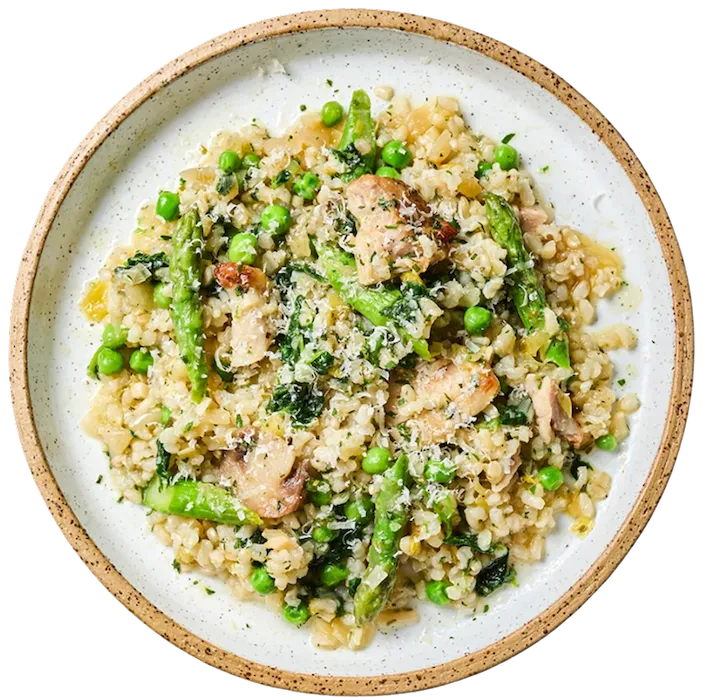
- gluten free

- high protein

- weight management

- GLP-1
- ibs

- lowest calorie

- lower carbs

- mediterranean
- smaller range

- PMOS (formerly PCOS)

- menopause

- heart healthy

- full menu

- gift cards
not sure where to start?
take 30 seconds to find your personalised meal plan.