
What Are FODMAPs - and Why Do They Trigger IBS?
A low FODMAP diet is one of the most effective ways to reduce IBS symptoms.
But what exactly are FODMAPs, how do they trigger symptoms, and how do you know if it will work for you?
What are FODMAPs?
FODMAPs are a group of sugars (carbohydrates) which are naturally present in many different foods. These include starchy foods like bread and pasta, some fruits and vegetables like onions and apples, and some types of dairy foods.
The word FODMAP is an acronym for:
- Fermentable (meaning the sugars can be broken down and used by gut bacteria)
- Oligosaccharides
- Disaccharides
- Monosaccharides
- And
- Polyols
Oligosaccharides, disaccharides, monosaccharides and polyols are just scientific names for different types of sugars. The names reflect their sugar composition -for example, a monosaccharide is one sugar, while a disaccharide is two joined together.
How do FODMAPs cause IBS symptoms?
When we eat carbohydrates, the gut breaks them down into individual sugars. Usually, these sugars get absorbed through the walls of small intestine and into the bloodstream, providing us with energy.
But unlike other types of carbohydrates, FODMAPs aren’t well absorbed during digestion. This means that they travel though the small intestine to the large intestine.
When they arrive in the large intestine, they are broken down by gut bacteria who use them for energy. This is a process known as fermentation. When the FODMAPs are fermented, gases are released. These gases can stretch the walls of the gut, triggering tummy pain, gas and bloating in people with sensitive guts. FODMAPs can also pull water into the gut during digestion, causing diarrhoea.
Where did the low FODMAP diet come from?
The low FODMAP diet was developed by a group of gut health researchers working at Monash University in Melbourne Australia.
They found that some carbohydrates were not well absorbed in the small intestine. They called these groups of sugars ‘fermentable carbohydrates’ or FODMAPs.
Their research went on to show that FODMAPs were capable of triggering symptoms like gas, bloating and loose stools in people with IBS.
They also found that reducing FODMAPs could improve symptoms and help people manage their IBS better.
Will the low FODMAP diet work for me?
Research shows that up to 75% of people with IBS feel relief from their symptoms with a low FODMAP diet.
There’s currently no definitive way of knowing if you'll feel better on a low FODMAP diet without trialling it for 2-6 weeks. There is some new research which suggests that if you also have anxiety, depression or high stress levels, alternative approaches like psychological support or gut directed hynotherapy may be a more effective option.
If you would like to try a low FODMAP diet, it's recommended you do this with the help of a dietitian - you can ask your GP for a referral, or find a FODMAP specialist dietitian in private practice. They can guide you through a trial of a low FODMAP diet. If your symptoms improve during this time, it's likely that FODMAPs are a trigger for you.
If you don't have any improvement in your symptoms when following a low FODMAP diet, it's unlikely they are a problem for you. If this happens, you can then explore other therapies, like medications, cognitive behavioural therapy or gut directed hynotherapy.
related content
April is IBS Awareness Month, and we want people with IBS to fall in love with food again. We understand how frustrating mealtimes can be for those with IBS, and in this article offer 10 top tips to help manage IBS and enjoy food again.
And what makes cholesterol "good" or "bad"? Our guide covers FAQs such as what cholesterol is, how to lower cholesterol through diet, and the difference between cholesterol types.
more content:
This month, we’re looking at how you can add more fibre to your diet, because 91% of UK adults aren’t eating enough of it. We asked our Dietitian Laura to start by explaining why fibre matters, and what you can gain from eating more.
If you're struggling with strict calorie counting, shifting your focus instead to portion control and resizing your meals may be a healthier and more sustainable approach. Learn the science behind portion control, nd our suggestions of how to structure and size your portions for healthy, long-term weight loss.
Brazil Nuts are one of Field Doctor's hero ingredients, being packed full of essential nutrients and providing many key health benefits. Check out our guide to Brazil Nuts, alongside how to incorporate more of this nut into your diet.
There a a variety of small changes you can try to reduce food waste, from simple meal planning to composting food scraps. Our easy guide outlines 10 top tips you can try at home.
It is often a concern that eating a vegetarian diet means you have to miss out on certain nutrients. This doesn't have to be the case if you are aware of possible nutrient deficiencies and ensure you incorporate sources of these in your meals.
The hardest part about a healthy diet is keeping it going, which is why we've rounded up some practical tips and small nudges to help keep you on track with your diet.
Ensuring you get the right nutrients on any kind of diet is essential - let alone combining more than one! Our guide aims to outline what foods you can eat while following a vegan and low FODMAP diet, including vegan and low FODMAP protein sources, calcium sources and iron sources.
browse our ranges.
choose from one of our ranges or personalise your own menu from 60+ meals.
- low FODMAP

- eat well, live well programme
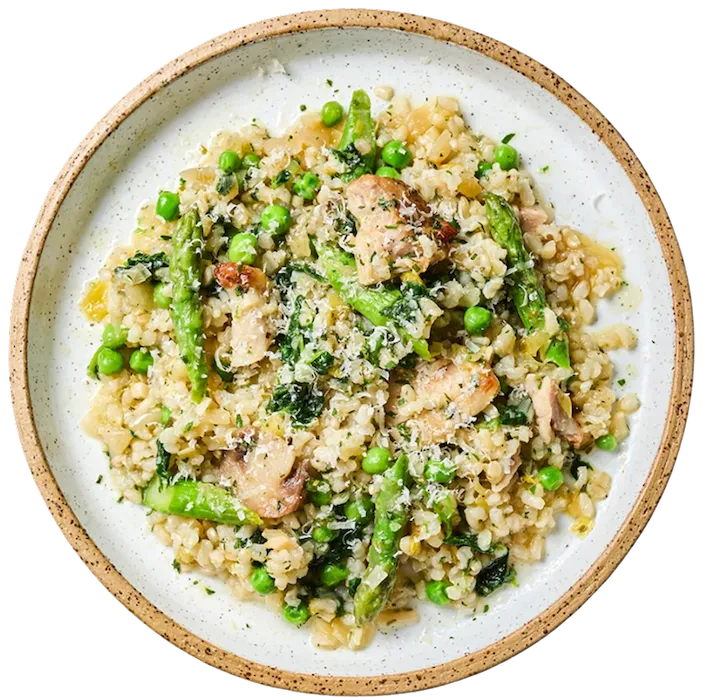
- gluten free

- high protein

- weight management

- GLP-1
- ibs

- lowest calorie

- lower carbs

- mediterranean
- smaller range

- PMOS (formerly PCOS)

- menopause

- heart healthy

- full menu

- gift cards
not sure where to start?
take 30 seconds to find your personalised meal plan.