





liz o'riordan
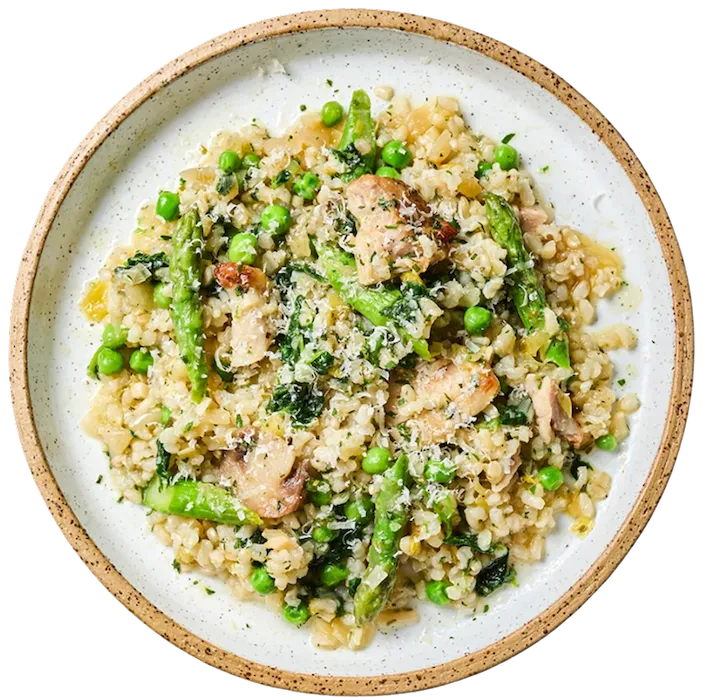
Field doctor gave me the confidence to know I could get a healthy balanced meal in under ten minutes when I couldn't face cooking for myself.
Tell us who you are.
Liz O'Riordan, breast surgeon with breast cancer.
When someone is going through cancer treatment, what actually happens to their appetite and relationship with food?
It depends on their where their cancer is and what treatment they're having. This needs an essay to answer it properly. During chemo for breast cancer, you get mouth sores and ulcers, your taste buds change so food tastes strange, you feel sick, you vomit, you get heartburn, you have no energy you feel the sickest you have ever felt and all the foods you love taste disgusting
There's a huge amount of noise online about "cancer diets." As both a surgeon and a patient, what's the most damaging myth you'd want to correct?
There is no magic diet that can stop your cancer coming back. Everything is OK in moderation
What does genuinely good nutrition during and after treatment actually look like?
Forget chemo - as that's different. It's the WCRF guidelines. Half a plate of fruit or veg, a good protein source and some whole grain carbs is the gold standard but life gets in the way and we all need holidays and have emotional needs. So eating well 80% of the time is good enough
What happens when people know what they should eat but just can't do it, especially during treatment?
During chemo on my good weeks I would batch cook food I knew I could tolerate in my bad weeks. The first cycle is tough as you don't know how you're going to feel, but in the following cycles, meal planning etc can stop huge rows when as a couple one wants you to eat and the patient doens't want to. Many people actually fain weight during chemo because of the constant snacking
You've seen and tried the Field Doctor range. What stood out to you?
I want to say that I'm not sure I would have used these meals during chemo as I don't know if my mouth and taste buds could have tolerated them. But during radiotherapy and recovery, when I'm busy, don't have time to cook,, or am home alone and can't be arsed to cook for myself, knowing that these meals hit all the nutritional goals and are quick to reheat is a godsend
Who do you think would benefit most from having something like this available?
I think it's people who are going through surgery, radiotherapy and recovery. I can't comment on chemo as I haven't tried them during chemo. Also their carers, esp if their loved one is in hospital and they're home alone.
the difference
9/10 feel better having eaten our meals.
join liz and 150,000 others with a personalised meal plan.
get startedmore content: general health
With temperatures rising this week and over the summer in the UK, we're turning our attention to hydration. In this blog, we look at why hydration matters, the signs of dehydration to watch out for, and how to keep your fluid levels topped up when it's hot.
Chronic kidney disease (CKD) is a long-term condition where the kidneys do not work as well as they should. CKD is divided into 5 stages. In this article we'll look at diet in stages 3b-5 (later-stage chronic kidney disease).
Being diagnosed with later-stage chronic kidney disease can feel daunting, and you may have questions about what you can eat. We spoke to specialist renal dietitian Ellie Evans about the key nutrition priorities when you're living with more advanced CKD.
We also have a blog on eating well with early stage Chronic Kidney Disease, if you are in stages 1 to 3.
If there's one nutrient that promises to deliver on every health goal, it's protein. But what does the latest research say about its benefits, and how much do you really need? We asked our Dietitian Laura for the answers.
Being diagnosed with early‑stage chronic kidney disease (CKD stages 1–3) can feel worrying, and you may have questions about what you can eat. We spoke to specialist renal dietitian Ellie Evans about the key nutrition priorities when you're living with CKD.
If you are in the later stages of CKD, read our other blog explaining the importance of nutrition and diet in stages 3b to 5.
not sure where to start?
take 30 seconds to find your personalised meal plan.