
Coeliac Awareness Month: What You Should Know
1 in 100 people in the UK have coeliac disease, but only 36% are diagnosed. May is Coeliac Awareness Month, so we’re sharing more about the condition in the hope of helping more people get diagnosed.
What is coeliac disease?
Coeliac disease is a serious autoimmune condition that affects around 1% of people in the UK.
It happens when the body's immune system reacts to gluten, a protein found in wheat, barley, and rye.
When someone with coeliac disease consumes gluten, their immune system attacks their small intestine, leading to inflammation and damage to the lining of the gut.
Symptoms of coeliac disease can vary from person to person and range from mild to severe, which is one reason it can be hard to identify. Symptoms include:
- bloating or wind
- abdominal pain or cramping
- diarrhoea
- constipation
- weight loss
- fatigue
- iron, B12 or folic acid deficiency
- unexplained subfertility
- repeated miscarriages
- skin rash
It’s a myth that you need to be underweight to have undiagnosed coeliac disease. In fact, research shows that most people are a normal weight or overweight at diagnosis.
If you have any of the above symptoms, you can take a free and fast assessment on the Coeliac UK website to find out if you should be tested.
Diagnosis of Coeliac Disease
On average, it takes 13 years for an adult to be diagnosed with coeliac disease, sometimes because symptoms are mistaken for IBS or wheat intolerance.
But getting the right diagnosis is really important, as untreated coeliac disease can increase the risk of complications such as osteoporosis and vitamin D deficiency. There is also a small increased risk of some gastrointestinal cancers linked to ongoing inflammation in the small intestine
The diagnosis of coeliac disease is made through blood tests and a biopsy of the small intestine. The blood test checks for specific antibodies produced by the immune system in response to gluten. If your blood test suggests coeliac disease then you'll be referred to a specialist.
In many cases a biopsy (where a small sample of tissue from the lining of the small intestine is taken to look for signs of damage) is used to confirm the diagnosis.
Don't remove gluten from your diet before tests
It's really important to keep eaten gluten containing foods until you have been tested for coeliac disease, even if you are experiencing symptoms after eating them. This is because reducing gluten in your diet can result in a false negative result.
The recommendation from Coeliac UK is to eat some gluten in more than one meal every day for at least six weeks before testing. If you've already started reducing or removing gluten, speak to your G.P.
Treatment and following a gluten free diet
The only treatment for coeliac disease is a strict gluten-free diet. This means avoiding all foods that contain wheat, barley, and rye, as well as any products that may have been contaminated with gluten during processing or cooking. Gluten-free alternatives are available for most foods, including bread, pasta, and cereals.
Following a gluten-free diet can be really challenging, as gluten is present in many commonly consumed foods, and it can be difficult to identify which foods are safe to eat. However, there are now many resources available to help people with coeliac disease manage their diet, including specialist dietitians, support groups and charities like Coeliac UK.
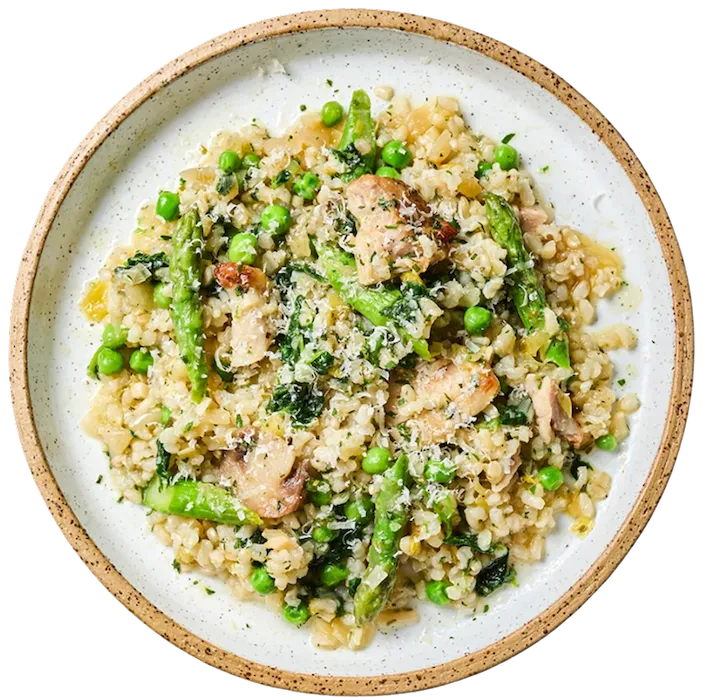
We’re proud to offer a range of coeliac safe meals, along with our Gluten Free with Confidence support plan, written by coeliac specialist dietitian Cristian Costas. The plan is free when you buy our meals, and covers adapting to a gluten-free diet while maintaining a healthy, balanced way of eating. We also have lots of gluten free recipes you can try out yourself.
For further information
related content
There are a lot of misconceptions around coeliac disease and how to manage symptoms once you are diagnosed. In this guide, we aim to answer FAQs about coeliac disease, such as what it is, what the symptoms are, how you can manage symptoms once diagnosed and what the difference is between coeliac disease, gluten sensitivity and FODMAP sensitivity.
April is IBS Awareness Month, and we want people with IBS to fall in love with food again. We understand how frustrating mealtimes can be for those with IBS, and in this article offer 10 top tips to help manage IBS and enjoy food again.
more content: Gluten Free
There are a lot of misconceptions around coeliac disease and how to manage symptoms once you are diagnosed. In this guide, we aim to answer FAQs about coeliac disease, such as what it is, what the symptoms are, how you can manage symptoms once diagnosed and what the difference is between coeliac disease, gluten sensitivity and FODMAP sensitivity.
browse our ranges.
choose from one of our ranges or personalise your own menu from 60+ meals.
- low FODMAP

- eat well, live well programme
- gluten free

- high protein

- weight management

- GLP-1
- ibs

- lowest calorie

- lower carbs

- mediterranean
- smaller range

- PMOS (formerly PCOS)

- menopause

- heart healthy

- full menu

- gift cards
not sure where to start?
take 30 seconds to find your personalised meal plan.